Enhance Your Home With Skilled Architecture Services
Upgrading a residence through professional architecture services involves more than just aesthetics. It requires a deep understanding of practical layout and area construction standards. Working with an knowledgeable design professional can address typical issues while enhancing property value. The process is methodical and meticulous, assuring that every detail matches with the homeowner's objectives. Yet, many homeowners struggle to traverse this journey effectively. What steps can they take to secure a successful working relationship?
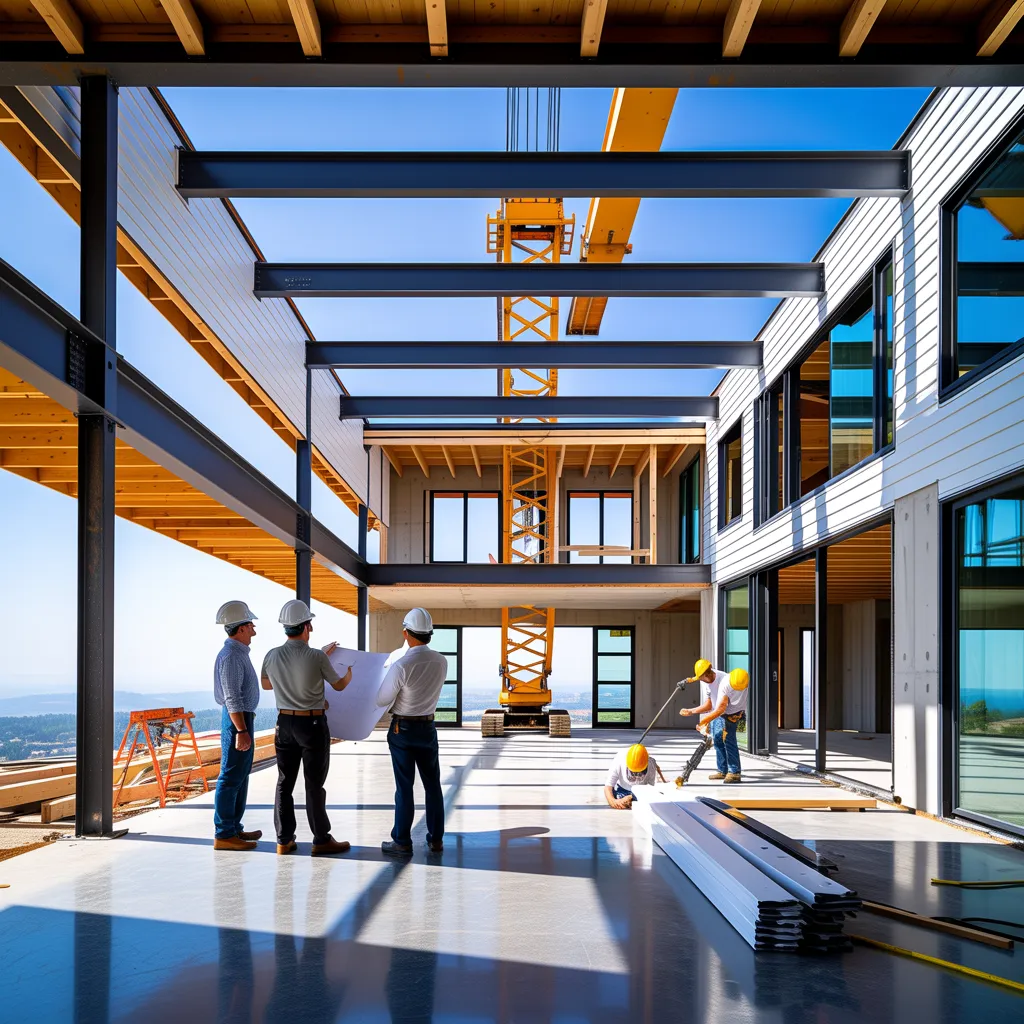
Common Home Design Challenges and How Architects Support
What causes home design to be so demanding for most homeowners? The challenge of mixing personal aesthetic choices with functional requirements often exhausts them. Homeowners frequently encounter issues with spatial constraints, monetary constraints, and legal standards, making design work more difficult. Additionally, many lack the specialized expertise required to handle building considerations and building codes.
Architects maintain an indispensable role in tackling these hindrances. Their professional preparation outfits them to navigate the subtleties of composition, ensuring that a homeowner's vision aligns with practical conditions. Architects can supply inventive remedies to enhance space while upholding protection standards. They also facilitate in establishing unified designs that represent the dwelling owner's style. By extending insights into materials and construction methods, architects facilitate streamline the deliberation undertaking. Ultimately, their mastery transforms a seemingly intimidating endeavor into a shared journey, cultivating a sound balance between creativity and practicality in residential planning.
Benefits of Working With a Professional Architect
Collaborating with a experienced architect elevates the house design journey by merging specialized insight with the homeowner's vision. Architects offer a wealth of experience in design fundamentals, construction regulations, and green building techniques, confirming that the undertaking not only satisfies design aspirations but also follows requirements. Their skill in envisioning and express complex ideas assists with transforming abstract concepts into physical blueprints.
Furthermore, architects can offer creative corresponding information approaches to design obstacles, optimizing arrangement and usability. They also oversee the complexities of the building phase, collaborating with contractors and suppliers to ensure timelines and budgets are maintained. This expert supervision reduces potential errors and decreases the pressure associated with home construction or remodeling. Ultimately, collaborating with an architect produces a well-designed, cohesive space that reflects the homeowner's personality while boosting overall home worth.
What Are the Critical Stages in the Design Process?
How does the building design process unfold from initial idea to finish? The process starts with an initial consultation, where the designer and client talk about goals, requirements, and budget. This stage is crucial for establishing a distinct direction. Next, the designer performs site analysis, assessing factors like topography, weather conditions, and building codes.
Subsequently, the design work gets started. At this stage, sketches and digital models are fashioned, allowing the client to comprehend the project. Once the design is finalized, the architect drafts extensive construction specifications, containing specifications and drawings.
Once necessary permits are obtained, the project enters the construction phase. The architect frequently works with contractors to guarantee that the design is executed correctly. Frequent on-site inspections and evaluations help maintain standards and adherence to the original vision. Finally, the project culminates in a walkthrough, verifying that the completed structure satisfies the client's requirements before the official transfer.
How Should You Find the Best Architect for Your Home?
Locating the perfect architect for a home involves careful evaluation and investigation. Potential property buyers should start by establishing their specific requirements and budget, which will direct their search. Suggestions from acquaintances, loved ones, or real estate experts can provide useful connections. Internet collections of work and reviews help in assessing an architect's previous projects and client contentment.
Next, interested parties should speak to various candidates to evaluate their manner of speaking, experience, and design approach. It's crucial to cover project timelines and client expectations to confirm agreement. Furthermore, confirming qualifications and checking for proper licensing and credentials can avoid potential issues down the line.
Ultimately, homeowners should listen to their intuition. The ideal architect should not only demonstrate the essential skills but also complement the homeowner's vision and beliefs. This partnership creates a productive atmosphere, in the end producing a successful partnership in constructing a dream home.
Approaches to Present Your Ideas Proficiently
Transmitting a objective for home design effectively is indispensable for a successful cooperation between homeowners and design consultants. To realize this, homeowners should start by clearly defining their needs and selections. Assembling a mood board with images, colors, and textures can support conveying visual goals. Additionally, outlining practical requirements, such as room size and layout, guarantees that the architect appreciates practical components.
Property owners should also engage in open dialogue, promoting inquiries and input to improve their vision. Regular check-ins during the planning phase foster collaboration and transparency. Using straightforward language to convey thoughts and worries can avert misunderstandings and help match goals.
In conclusion, staying open to the architect's proficiency permits a more dynamic exchange of ideas. By blending personal vision with professional insight, homeowners can establish a constructive relationship that produces a beautifully designed space expressing their aspirations.
How to Plan finances for Architecture Services
During the commencement of a home design project, fixing a budget for architecture services is crucial to prevent financial strain later. Homeowners should begin by investigating typical fees in their area, which can vary based on the project's complexity and the architect's experience. It is prudent to allocate a percentage of the overall project cost specifically for architectural services, typically ranging from 5% to 15%.
Next, prospective customers should review the scope of services demanded—whether they require complete design and project management or simply preliminary consultations. Engaging in candid discussions with prospective architects regarding their cost arrangements can bring clarity on pricing.
Additionally, homeowners should account for unexpected expenses and potential revisions, creating a buffer in the budget. By explicitly outlining their monetary limits in advance, clients can verify they select an design expert who reflects their objectives while adhering to their financial limits.
Frequently Asked Questions
What Designs of Structural Style Are Offered for My Home?
Homeowners can choose from multiple design options, including modern, traditional, colonial, Mediterranean, and contemporary. Each style offers distinctive aesthetics and functionality, allowing individuals to express personal taste while taking into account regional influences and environmental factors.
What Length of Time Does the Architectural Process Normally Take?
The design process typically takes several months, depending on scope complexity, approval requirements, and local regulations. Components such as stakeholder input and construction schedules can also shape the timeline greatly across the duration.
Can Design experts Offer Assistance With Sustainable Planning Options?
Architects can indeed provide support for eco-conscious design alternatives. They integrate eco-friendly materials, efficient energy systems, and innovative layouts, guaranteeing projects reduce environmental impact while enhancing functionality and aesthetic appeal, aligning with clients' sustainability goals successfully.
What Qualifications Would I Consider When Finding an Building Designer?
When engaging an design specialist, one should examine their education, accreditation, experience in relevant projects, selection of projects highlighting their design sensibility, and grasp of local compliance standards. Communication skills and client testimonials also prove essential in the decision-making process.
How Can Architects Resolve Zoning and Permit Obstacles?
Architects address regulatory obstacles by performing comprehensive analysis on local regulations, assembling required paperwork, and communicating to municipal authorities. Their proficiency guarantees compliance, expediting the approval process for customer developments effectively.